



Video length: 3:58
Why are Drugs so Hard to Quit?
New NIDA animation tackles a common question and explains the science behind drug use and addiction to help light the path towards recovery.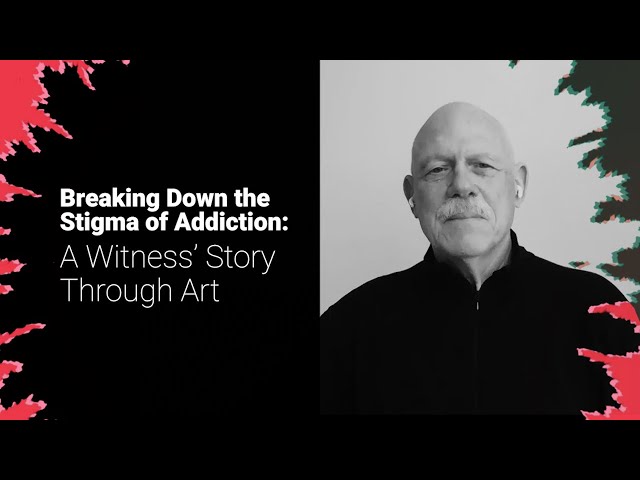
Video length: 3:54
Breaking Down the Stigma of Addiction: A Witness’ Story Through Art
Watch artist and advocate William Stoehr’s intimate testimony, as he shares his story of loss to an opioid overdose and his journey to combat the stigma of addiction through his art.
Video length: 2:03
Monitoring the Future Survey: Why we Study Teen Drug Use, a Message to Parents
NIDA Director Dr. Nora Volkow explains why we study teen drug use and shares a message to parents & teen influencers.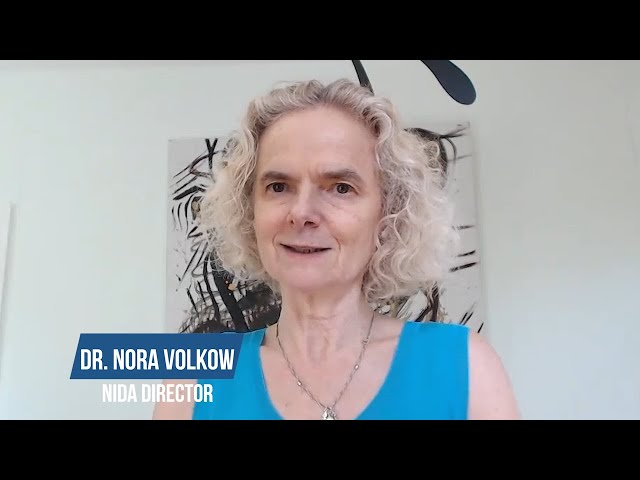
Video length: 3:53
Dr. Volkow Explains the Basics of Drugs & Addiction
Dr. Nora Volkow, Director of NIDA, answers common questions about drugs, addiction, where to find more information about the health effects of different types of drugs and where to get help.
Video length: 5:39
How Naloxone Saves Lives in Opioid Overdose
Naloxone saves lives. This video reviews when naloxone is used, how it is administered, and the way it works. The National Institutes of Health and National Institute on Drug Abuse are leading the way in fighting the opioid epidemic.
Video length: 3:10
Desarrollo del Cerebro Adolescente
En este video, NIDA explora las similitudes entre el programado de una computadoras y el proceso de desarrollo cerebral durante la adolescencia. Esta analogía nos ayuda a comprender por qué los factores ambientales tóxicos como las drogas, el acoso escolar o la falta de sueño, pueden llegar a tener un impacto tan duradero en la vida de un joven.
Video length: 5:05
The Human Brain: Major Structures and Functions
This video explains the human brain and its major structures and functions. Your brain is who you are. It’s what allows you to think, breathe, move, speak, and feel.Videos

NIDA: Advancing Addiction Science for 50 Years
This video highlights fifty years of scientific achievements and NIDA’s continued mission to advance the science of addiction.
View Transcript
Saving Lives with Peer Support
Opioids are increasing the rates of overdose. But death is not inevitable. Peer support specialist Chetwyn “Arrow” Archer helps others connect with lifesaving care and tools, including overdose reversal medications such as naloxone.
View Transcript
Why Do You Study Addiction Science?
Why Do You Study Addiction Science? introduces viewers to NIDA scientists as they share personal stories in the field of addiction science.
View Transcript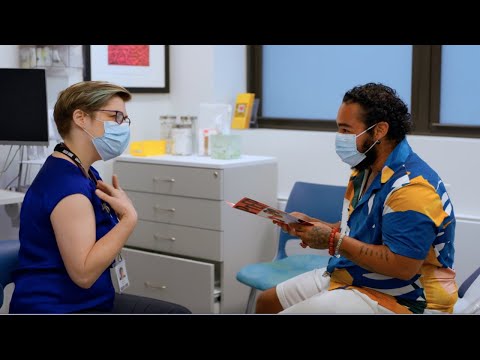
Trust, Stigma and Patient Care
Science-based care for people who use drugs includes nonjudgmental communication and goal setting. NIH-funded researchers share best practices for health professionals.
View Transcript
Sex, Meth and HIV
Ending the HIV epidemic requires recognizing and respecting the complexity of the health goals and lives of people who use drugs.
View Transcript
What Radical Change Means
NIDA Director Nora Volkow shares what radical change to save lives means during #OverdoseAwarenessWeek.
View Transcript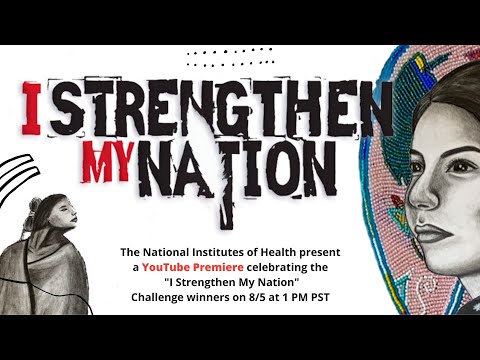
Winners of the I Strengthen My Nation Challenge competition
This video showcases the winners of the I Strengthen My Nation Challenge competition, a collaboration between the National Institutes on Drug Abuse (NIDA) and We R Native.
View Transcript
Reducing the Risks of Fentanyl in the U.S.
This video was created in collaboration with NIDA's CTN and staff from the University of Pennsylvania Center for Addiction Medicine and Policy. It was produced in response to the more than 80 thousand opioid overdose deaths that occurred in 2020 largely driven by the illegally produced fentanyl that contaminates illegally produced opioids and benzodiazepines, as well as cocaine and synthetic cannabinoids.
View Transcript